
Postural Strain (Postural Pain Syndrome)
Osteopathic Management for Postural Pain — Melbourne & Caroline Springs
Postural strain is a common cause of neck, back, and shoulder discomfort, often linked to prolonged sitting, desk work, or repetitive daily positions.
At Live Well Health Centre, osteopaths help assess and manage postural strain by evaluating how the body moves, supports load, and maintains position throughout daily activities.
Our approach focuses on improving movement habits, reducing muscle overload, and supporting comfortable posture through strength, mobility, and awareness.
What is postural strain?
Postural strain refers to pain or discomfort caused by prolonged or repetitive positioning that places sustained stress on muscles, joints, or connective tissue.
It is sometimes called postural pain syndrome and is considered a mechanical musculoskeletal condition.
The body is designed to move regularly. When one position is maintained for extended periods — such as sitting at a desk, looking down at devices, or standing in fixed positions — certain muscles may become overworked while others become underused.
This imbalance can lead to:
- muscle fatigue
- joint stiffness
- reduced movement variability
- discomfort with sustained positions
Postural strain typically improves with movement or position change.
Common symptoms
Postural strain commonly causes:
- neck stiffness or ache
- upper back discomfort
- shoulder tightness
- lower back fatigue
- headaches related to neck tension
- discomfort that worsens with prolonged sitting or standing
Symptoms often:
- improve with movement
- worsen later in the day
- occur during work or study
reduce with rest or stretching
What causes postural strain?
Postural strain develops when tissues are exposed to sustained low-level load without sufficient movement variation.
Common contributing factors include:
- prolonged sitting
- desk or computer work
- frequent device use
- repetitive work tasks
- reduced physical activity
- poor workstation setup
- reduced muscle endurance
- lack of movement breaks
It is usually the duration of a posture, rather than the posture itself, that contributes to symptoms.
Who is most likely to experience postural strain?
Postural strain is commonly seen in:
- office workers
- students
- people working from home
- drivers
- healthcare workers
- individuals using computers or devices frequently
- people with sedentary lifestyles
It can occur at any age.
How is postural strain assessed?
Osteopathic assessment typically includes:
- detailed symptom and activity history
- posture evaluation
- movement assessment
- muscle strength and endurance testing
- joint mobility testing
- ergonomic and functional review
Assessment focuses on identifying load patterns and movement habits contributing to tissue stress.
How osteopathy may help manage postural strain
Osteopaths help manage postural strain by improving movement capacity and reducing sustained tissue loading.
Management may involve:
- improving joint mobility
- reducing muscle tension
- enhancing movement awareness
- strengthening postural support muscles
- modifying workstation setup
- guiding movement breaks and pacing
Care is individualised and often includes rehabilitation and education.
Techniques that may be used
Based on assessment findings, management may include:
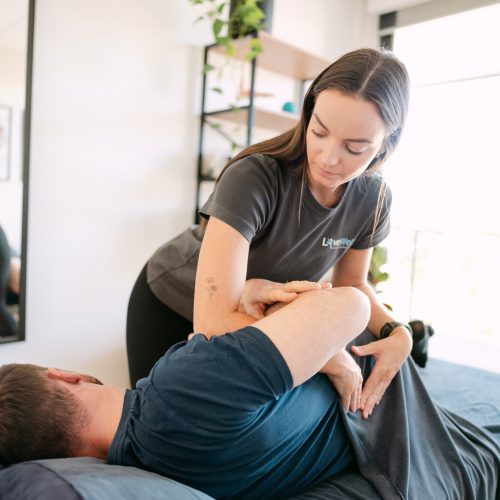
- soft tissue techniques
- joint mobilisation
- muscle energy technique (MET)
- movement retraining
- posture education
- ergonomic advice
- strengthening programs
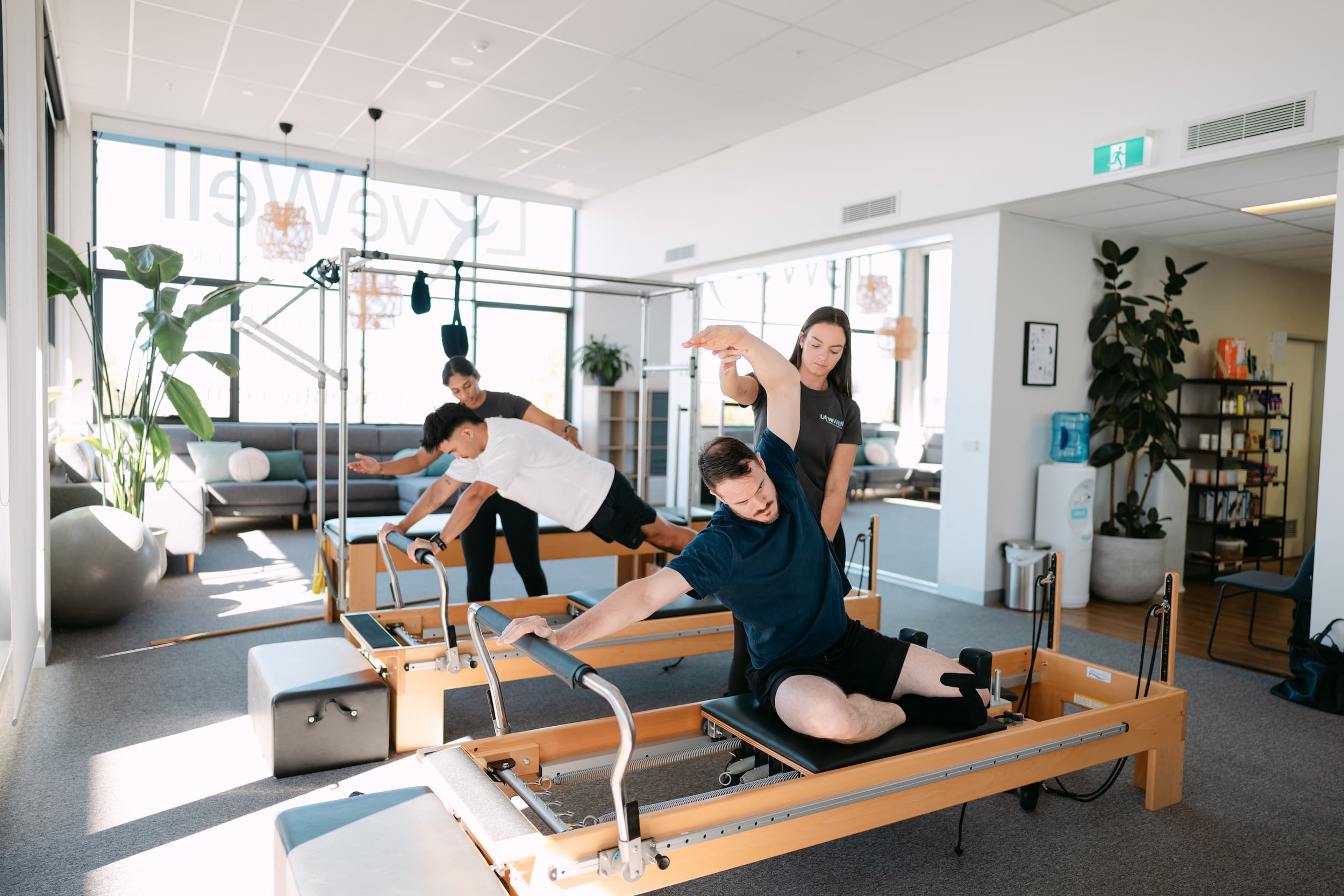
- clinical Pilates
Technique selection depends on clinical reasoning and individual needs.
Evidence & research
Postural pain is widely recognised as a common musculoskeletal condition related to sustained loading and reduced movement variability.
Clinical guidelines support:
- exercise and strengthening
- education and self-management
- ergonomic modification
- movement variation
Manual therapy combined with exercise may assist with symptom management.
Key evidence sources
World Health Organization — Musculoskeletal Health and Work
https://www.who.int/news-room/fact-sheets/detail/musculoskeletal-conditions
British Journal of Sports Medicine — Sedentary Behaviour and Musculoskeletal Health
https://bjsm.bmj.com/content/49/21/1357
Australian Commission on Safety and Quality in Health Care — Low Back Pain Clinical Care Standard
https://www.safetyandquality.gov.au/standards/clinical-care-standards/low-back-pain-clinical-care-standard
RACGP — Non-specific Musculoskeletal Pain Management
https://www.racgp.org.au/clinical-resources/clinical-guidelines
Clinical interpretation
Movement, strengthening, and education are widely recommended as key components of managing posture-related musculoskeletal pain.
What to expect from management
Recovery depends on:
- work and activity demands
- movement habits
- strength and endurance
- adherence to exercise and ergonomic advice
Many people experience improvement when movement variability and muscle capacity increase.
Self-management and lifestyle support
Your osteopath may guide:
- regular movement breaks
- workstation setup adjustments
- strengthening exercises
- mobility routines
- posture awareness strategies
Consistency is important for long-term change.
When to seek medical review
Medical assessment is recommended if symptoms include:
- neurological symptoms (numbness, weakness)
- significant trauma
- persistent severe pain
- unexplained systemic symptoms
If unsure, seek professional advice.
Frequently asked questions
Is there a “perfect posture”?
There is no single perfect posture. Regular movement and variation are more important.
Should I sit completely upright all day?
Sustained positions of any kind can contribute to discomfort. Regular movement is key.
Do I need ergonomic equipment?
Workstation setup can help, but movement and strengthening are equally important.
Can exercise help postural pain?
Yes. Strength and endurance support improved load tolerance.
Related conditions
- Neck pain
- Upper back pain
- Headaches
- Low back pain
Not sure if your pain is posture-related?
If your discomfort worsens with sitting, standing, or repetitive positions, an osteopathic assessment can help identify contributing factors and guide appropriate management.
Book an appointment to discuss your symptoms.