
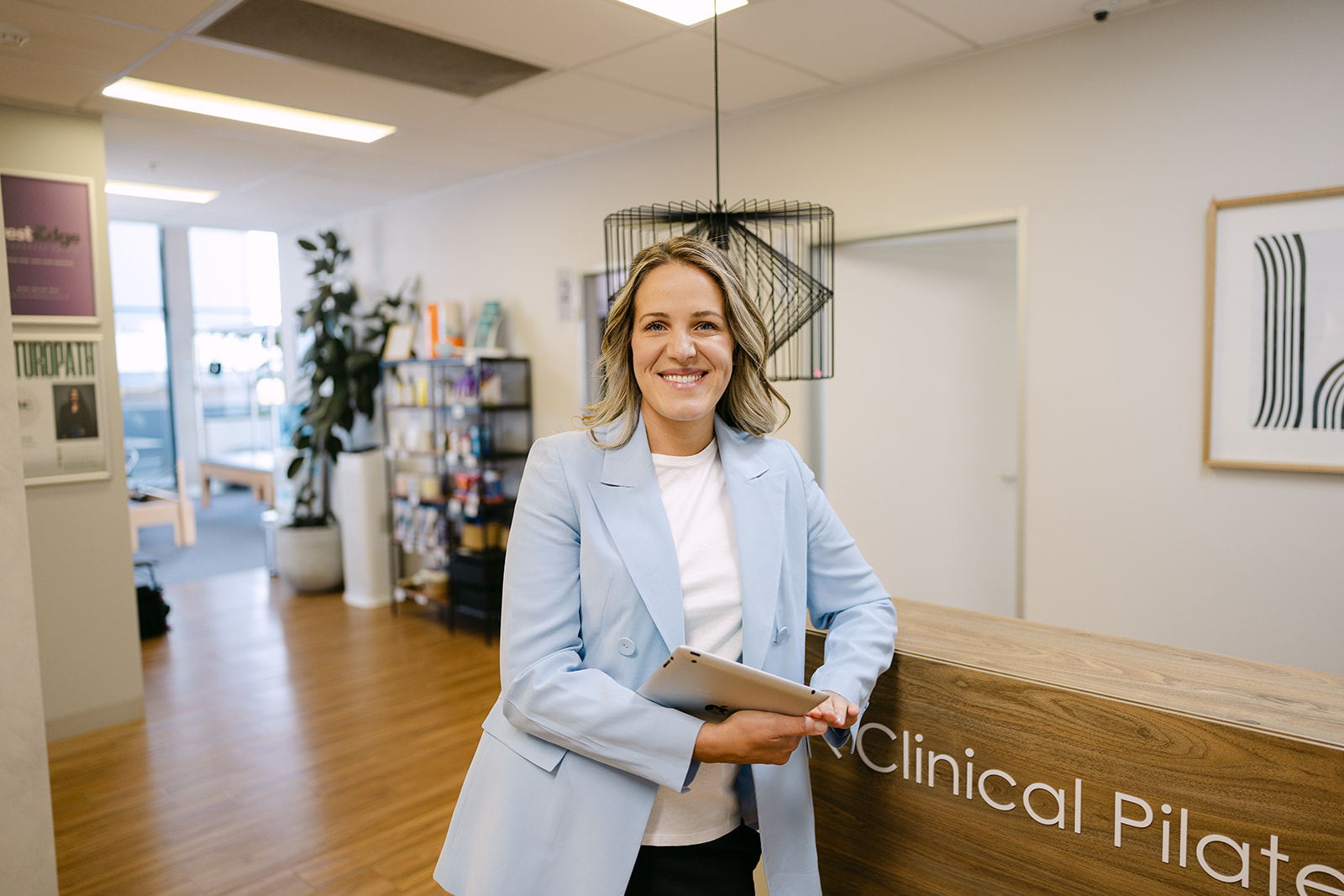
Clinical Referral Guide for GPs
Osteopathic Co-Management of Musculoskeletal Conditions — Melbourne & Caroline Springs
We provide structured, evidence-informed musculoskeletal management designed to complement primary medical care.
Our focus is conservative, function-based rehabilitation aimed at improving movement capacity, reducing pain-related disability, and supporting safe return to activity.
We routinely co-manage patients under:
- Chronic Disease Management (CDM/EPC)
- WorkCover
- TAC
- Private referral
- Post-surgical rehabilitation pathways
Clear communication with the referring GP is standard practice, including progress updates and discharge summaries.
Clinical approach
Our management model is based on contemporary musculoskeletal rehabilitation principles:
- Comprehensive assessment and risk screening
- Graded exercise and load progression
- Movement retraining
- Patient education and self-management
- Function-based outcomes
- Return-to-work or return-to-activity planning
- Interdisciplinary collaboration when required
Treatment is aligned with current clinical practice guidelines for conservative musculoskeletal care.
Conditions commonly referred
Persistent low back pain
Appropriate for patients with:
- chronic or recurrent non-specific low back pain
- movement-related pain or disability
- reduced functional tolerance
- fear-avoidance behaviour
- deconditioning
Management typically includes:
- movement-based rehabilitation
- graded loading programs
- functional strengthening
- education and activity pacing
Guideline alignment:
NICE low back pain guidelines recommend exercise, manual therapy (as adjunct), and self-management support as first-line care.
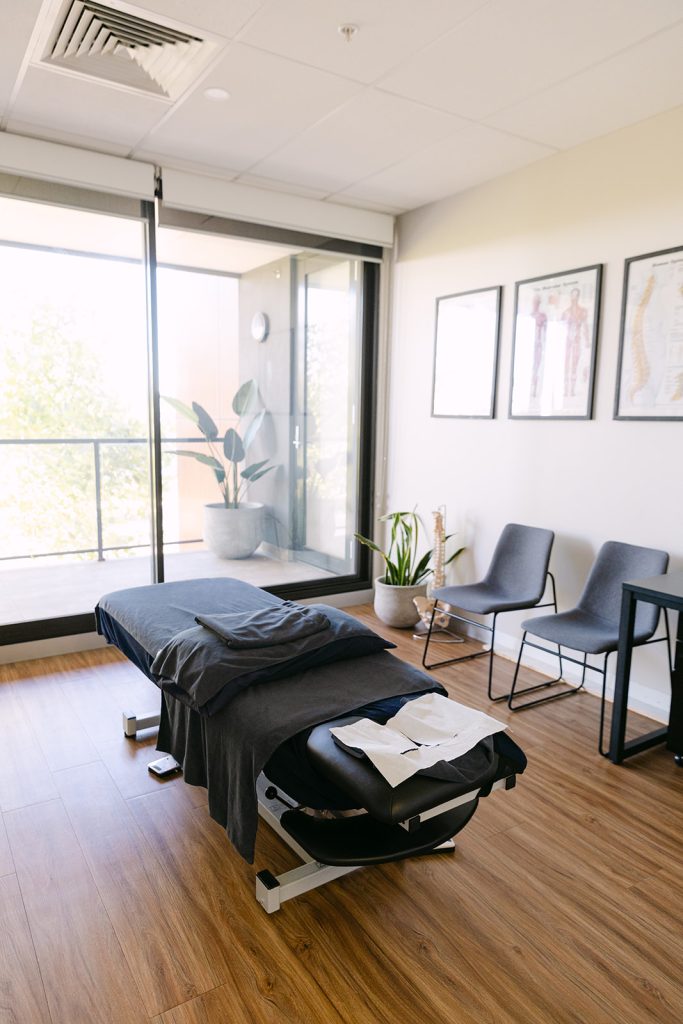
Chronic neck pain
Suitable for patients with:
- persistent mechanical neck pain
- postural or occupational strain
- cervicogenic headache patterns
- reduced cervical mobility
Management focuses on:
- cervical and thoracic movement restoration
- strengthening and endurance training
- ergonomic modification
- progressive activity exposure
Evidence: https://recover.centre.uq.edu.au/treatment/multimodal-physiotherapy-treatment
Recurrent musculoskeletal pain
For patients with repeated flare-ups of:
- spinal pain
- joint pain
- activity-related musculoskeletal symptoms
Clinical focus:
- identifying load and movement drivers
- improving tissue capacity
- prevention strategies
- long-term self-management
Tendinopathy requiring graded rehabilitation
Appropriate for:
- Achilles, patellar, gluteal, rotator cuff, lateral elbow
- persistent tendon pain
- failed passive-only treatment
Management includes:
- progressive loading protocols
- strength and capacity development
- load monitoring
- activity modification
Evidence: Progressive mechanical loading is the primary evidence-based intervention for tendinopathy.
Pregnancy-related pelvic pain
We provide pregnancy-appropriate management for:
- pelvic girdle pain
- symphysis pubis dysfunction
- pregnancy low back pain
Clinical focus:
- load transfer optimisation
- stabilisation exercise
- functional movement strategies
- education for daily activity
Care is modified by trimester and coordinated with maternity providers where needed.
Post-surgical musculoskeletal rehabilitation
For patients following:
- orthopaedic surgery
- joint repair or reconstruction
- spinal procedures
- soft tissue surgery
Management principles:
- staged rehabilitation
- mobility restoration
- progressive strengthening
- functional retraining
Programs follow surgical protocols where provided.
Movement dysfunction limiting activity
Appropriate for patients with:
- reduced mobility
- movement control impairment
- functional limitation
- deconditioning
Goal: restore safe, efficient movement capacity.
Return-to-work functional rehabilitation
Common referrals include:
- occupational injury recovery
- functional capacity restoration
- graded return-to-work planning
- WorkCover or TAC rehabilitation
Management emphasises measurable functional progression.
Patients requiring structured exercise progression
Particularly suitable for:
- chronic pain
- post-injury deconditioning
- failed passive treatment
- long-term musculoskeletal conditions
We deliver structured, progressive exercise using monitored programs and digital prescription platforms.
Exercise-based rehabilitation model
Exercise is central to all care.
Programs are:
- individualised
- function-based
- progressive
- monitored
- adaptable
We use digital exercise platforms (Rehab My Patient) to support adherence, tracking, and progression.
Clinical Pilates-based rehabilitation is available where appropriate.
Safety and clinical governance
All practitioners:
- Registered with AHPRA
- University trained (4.5–5 years)
- Participate in ongoing CPD
- Work within evidence-based scope
- Screen for red flags and contraindications
- Refer back when presentation is outside scope
High-velocity techniques are used selectively and only when clinically appropriate and consented.
Communication with referrers
We provide:
- Initial assessment summary (if requested)
- Progress updates where clinically relevant
- CDM reporting
- Functional outcome reporting
- Discharge summaries
We value collaborative care.
Evidence supporting conservative musculoskeletal management
Major clinical guidelines consistently recommend:
- exercise therapy
- education
- graded activity
- multidisciplinary care when needed
Key guideline sources:
NICE — Low back pain and sciatica
https://www.nice.org.uk/guidance/ng59
NICE — Chronic pain management
https://www.nice.org.uk/guidance/ng193
Journal of Orthopaedic & Sports Physical Therapy clinical practice guidelines
https://www.jospt.org
British Journal of Sports Medicine consensus statements
https://bjsm.bmj.com
European guidelines for pelvic girdle pain
Vleeming et al., European Spine Journal
International tendinopathy consensus statements (Cook & Purdam tendon continuum model)
When referral may not be appropriate
We refer back for:
- suspected serious pathology
- progressive neurological deficit
- uncontrolled systemic disease
- acute traumatic instability
- diagnostic uncertainty
- non-mechanical pain patterns
Patient safety takes priority.
Referral pathways
Referrals accepted via:
- CDM/EPC
- Private referral
- WorkCover
- TAC
- Direct patient presentation
How to refer
Please include:
- diagnosis or clinical question
- relevant imaging or reports
- surgical protocols if applicable
- activity or work restrictions
Contact for clinical discussion
We welcome GP communication regarding patient suitability or management planning.
Phone: (03) 9363 2961
Email: [email protected]