
Carpal Tunnel Syndrome
Osteopathic Assessment & Supportive Management — Melbourne & Caroline Springs
Carpal tunnel syndrome is a common condition that can affect hand comfort, grip strength, and daily function.
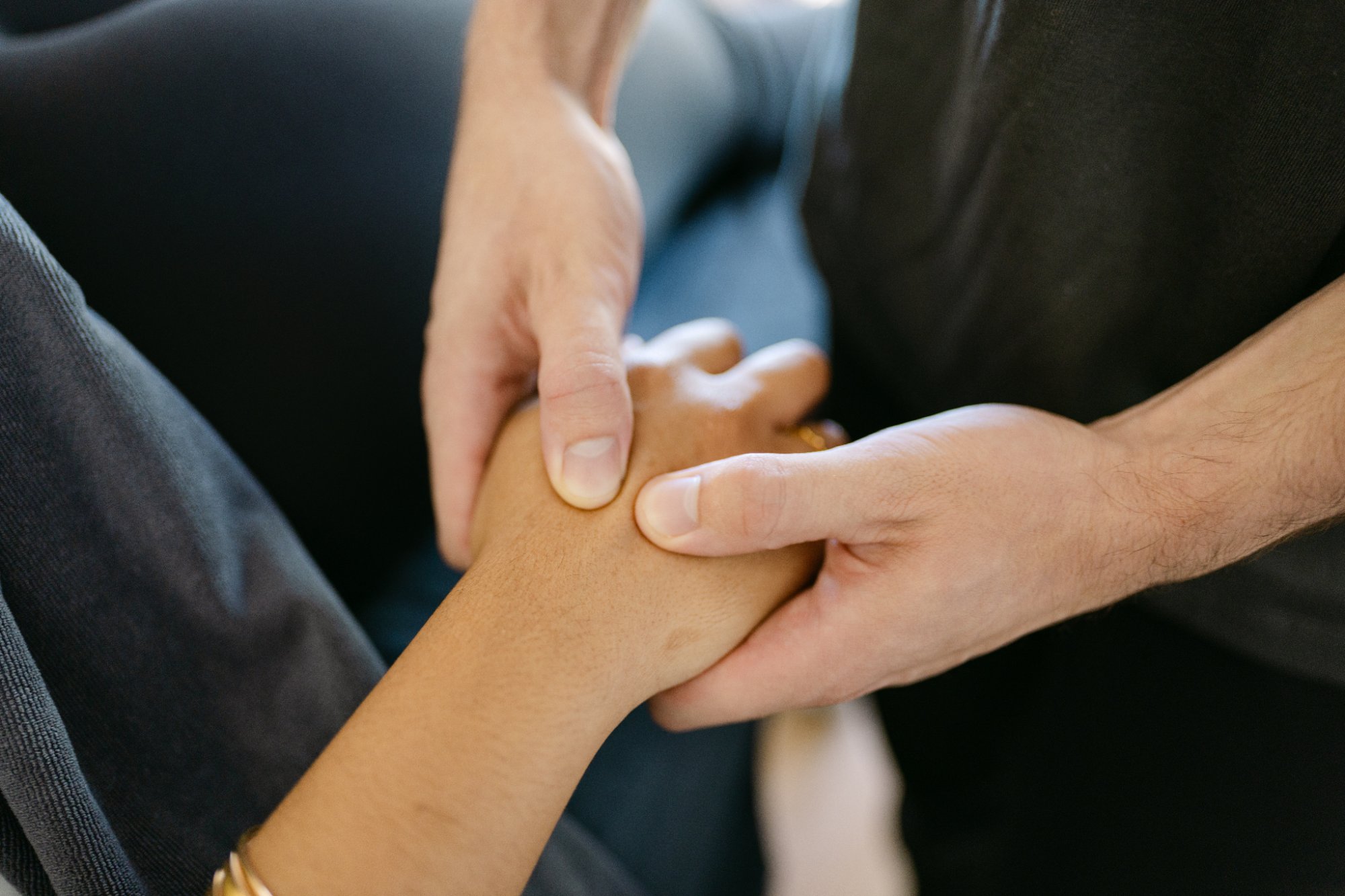
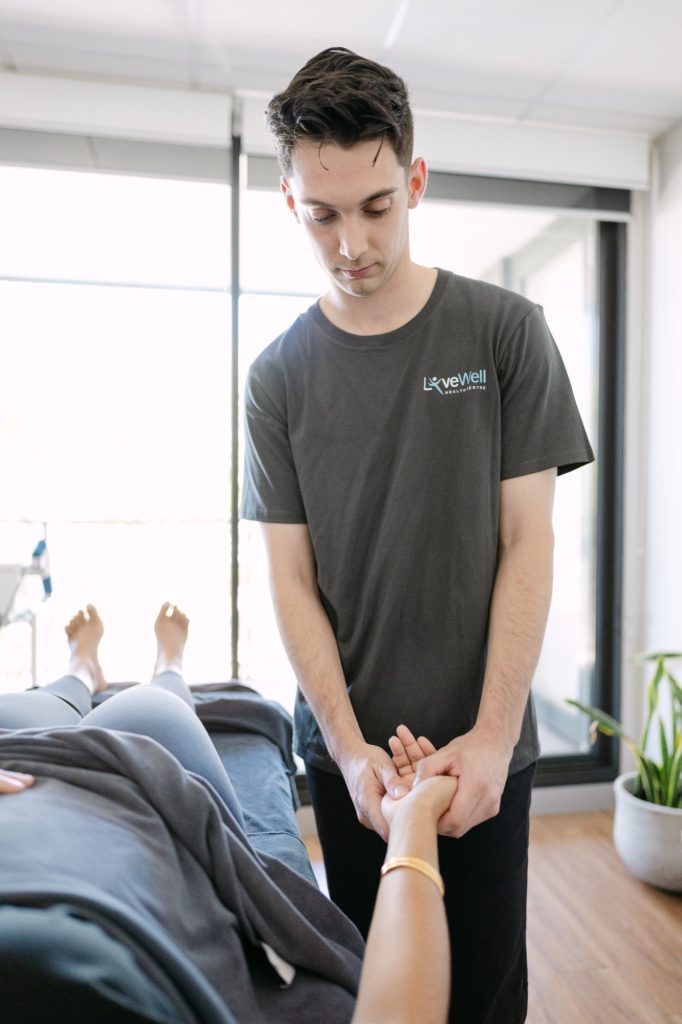
At Live Well Health Centre, our osteopaths provide assessment and evidence-informed management of carpal tunnel syndrome. Care focuses on supporting wrist and hand function, reducing physical strain, and helping individuals manage symptoms during work and everyday activities.
Management is individualised and may be provided alongside care from your GP or medical specialist where appropriate.
What is carpal tunnel syndrome?
Carpal tunnel syndrome occurs when the median nerve becomes compressed as it passes through the carpal tunnel — a narrow passage in the wrist formed by bones and connective tissue.
This nerve supplies sensation and movement to parts of the hand, particularly the:
- thumb
- index finger
- middle finger
- part of the ring finger
When pressure increases within the carpal tunnel, nerve function can be affected, leading to sensory and movement symptoms in the hand.
Common symptoms
Carpal tunnel syndrome may cause:
- tingling or numbness in the thumb, index, or middle fingers
- hand weakness or reduced grip strength
- discomfort in the wrist or palm
- symptoms that worsen at night
- difficulty with fine motor tasks (buttoning, gripping objects)
- sensations of swelling in the fingers (even if not visibly swollen)
Symptoms may develop gradually and can fluctuate depending on activity.
Why carpal tunnel syndrome can occur
Several factors may increase pressure around the median nerve, including:
- repetitive hand or wrist activity
- sustained gripping or vibration exposure
- prolonged wrist positioning (flexed or extended)
- fluid retention (including during pregnancy)
- tendon irritation or swelling
- underlying health conditions (e.g., diabetes, thyroid conditions)
In many cases, symptoms relate to how the wrist and surrounding tissues manage physical load.
Who is more likely to experience carpal tunnel syndrome?
Carpal tunnel syndrome is more common in people who:
- perform repetitive hand or wrist movements
- use keyboards, tools, or vibrating equipment regularly
- are pregnant
- have diabetes or thyroid conditions
- have a history of wrist injury
- perform sustained gripping or manual work
Osteopathic assessment for carpal tunnel syndrome
Assessment focuses on identifying factors contributing to nerve irritation or wrist strain. This may include:
- discussion of symptoms and activity patterns
- evaluation of wrist and hand movement
- assessment of grip function
- screening of nerve sensitivity
- posture and upper limb movement assessment
If symptoms suggest the need for medical investigation, referral to your GP or specialist may be recommended.
Osteopathic care does not replace medical diagnosis or treatment.
How osteopathy may help manage carpal tunnel syndrome
Osteopathic management aims to support comfortable hand and wrist function. This may involve:
- addressing movement and load patterns affecting the wrist
- supporting joint and soft tissue function
- reducing excessive muscle tension in the forearm or hand
- providing guidance on activity modification
- supporting ergonomic adjustments for work or daily tasks
Care is individualised and based on clinical findings.
Approaches that may be used
Depending on assessment findings, management may include:
- gentle joint mobilisation where appropriate
- soft tissue techniques for the wrist and forearm
- movement and load management guidance
- ergonomic and workstation advice
- activity modification strategies
- exercise recommendations to support hand and wrist function
Programs are tailored to individual needs and symptom sensitivity.
Evidence and clinical guidelines
Carpal tunnel syndrome management often includes conservative approaches such as activity modification, splinting, and rehabilitation. Multidisciplinary care may be recommended in some cases.
Key evidence sources:
National Institute for Health and Care Excellence (NICE)
Carpal tunnel syndrome overview
American Academy of Orthopaedic Surgeons (AAOS)
Clinical practice guideline for carpal tunnel syndrome
Cochrane Review — Non-surgical treatment for carpal tunnel syndrome
Australian Commission on Safety and Quality in Health Care
Musculoskeletal condition management resources
These sources support conservative management strategies for many people, with referral for further care where required.
What to expect from management
Experiences vary between individuals. Symptom change may depend on:
- severity and duration of symptoms
- activity demands
- underlying health factors
- consistency of activity modification and rehabilitation
Management aims to support function, comfort, and daily activity tolerance.
Self-management strategies your osteopath may discuss
- modifying repetitive hand activities
- wrist positioning awareness
- pacing and rest breaks
- ergonomic adjustments
- gentle movement or exercise programs
- night positioning strategies
When to seek medical review
Seek medical advice if you experience:
- persistent numbness or weakness
- loss of hand coordination
- worsening symptoms
- symptoms affecting daily function
- no improvement with conservative care
Urgent review is recommended if there is significant or progressive hand weakness.
Frequently asked questions
Can carpal tunnel syndrome resolve without surgery?
Some people experience improvement with conservative management. Individual assessment helps guide appropriate care.
Is osteopathy a replacement for medical treatment?
No. Osteopathic care is supportive and may be used alongside medical management.
Do I need a splint?
Wrist splints are sometimes recommended. Your GP or specialist can advise if appropriate.
Related conditions
- Wrist pain
- Hand pain
- Tendon irritation in the forearm
- Repetitive strain injuries
- Pregnancy-related wrist pain
Book an assessment
If you are experiencing hand or wrist symptoms consistent with carpal tunnel syndrome, our osteopaths can assess your function and discuss appropriate supportive management.
Book an appointment to discuss your carpal tunnel symptoms