
Headaches
Osteopathic Management for Headaches — Melbourne & Caroline Springs
Headaches are a common health concern that can significantly affect comfort, concentration, and daily function.
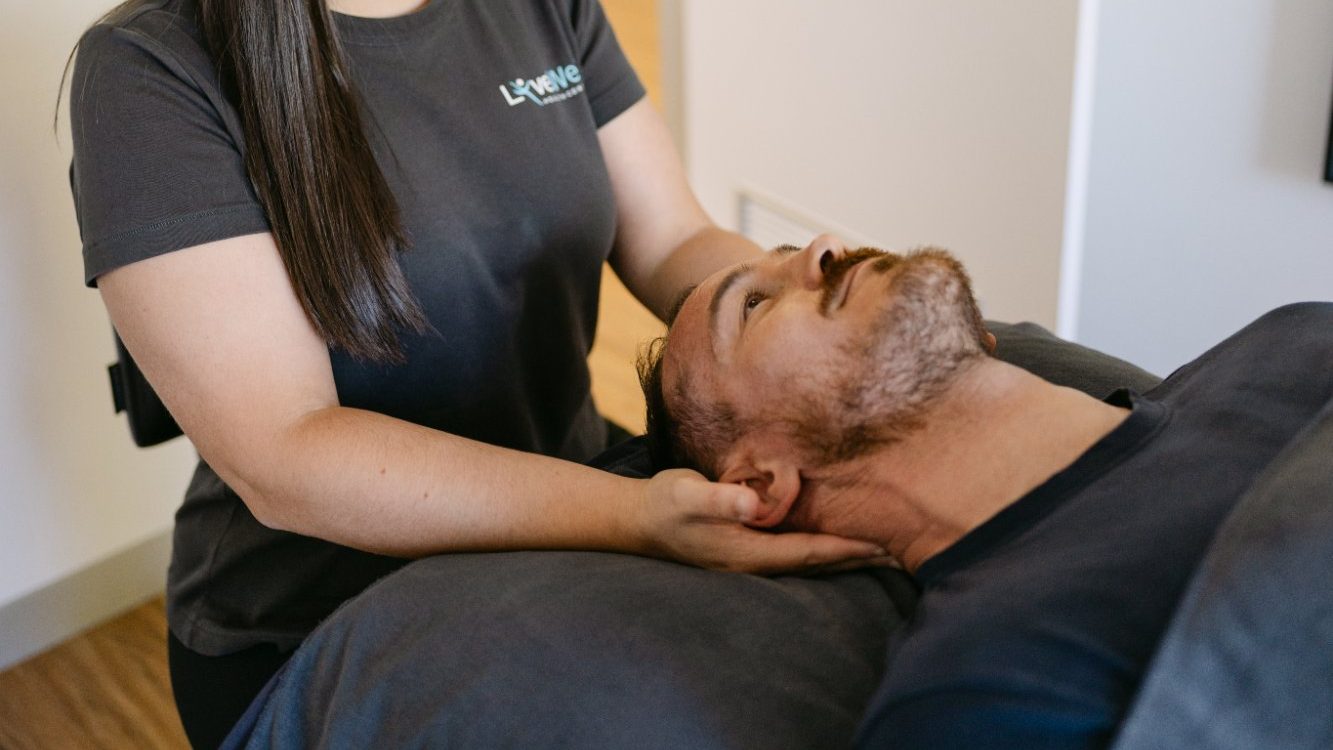
At Live Well Health Centre, osteopaths help assess and manage certain types of headaches, particularly those influenced by the neck, muscles, posture, and movement patterns.
Our approach focuses on understanding contributing factors, improving function, and supporting long-term symptom management.
What are headaches?
A headache is pain or discomfort felt in the head, scalp, or upper neck region.
There are many different types of headaches. Some are primarily neurological, while others are influenced by musculoskeletal factors.
Osteopathic care commonly focuses on headaches that involve mechanical or movement-related contributors, including:
- cervicogenic headaches (originating from the neck)
- tension-type headaches
- headaches associated with posture or muscle tension
Some people with migraine may also have musculoskeletal contributors that influence symptom frequency or severity, although migraines are a complex neurological condition requiring medical management.
Common symptoms
Headache symptoms vary depending on type but may include:
- aching, pressure, or tightness around the head
- pain starting in the neck and spreading to the head
- reduced neck movement
- tenderness in neck or shoulder muscles
- headaches triggered by posture or movement
Some individuals may experience:
- light or sound sensitivity
- nausea
- visual disturbance (in some headache types)
Severe, sudden, or unusual headaches require urgent medical assessment.
What causes headaches?
Headaches often have multiple contributing factors.
Common musculoskeletal contributors include:
- neck joint dysfunction
- muscle tension in the neck or shoulders
- prolonged or sustained posture
- reduced movement variability
- stress-related muscle activation
- jaw tension or TMJ dysfunction
Other factors may include:
- sleep disturbance
- fatigue
- dehydration
- neurological or vascular mechanisms (in migraine and other headache disorders)
Not all headaches are musculoskeletal, which is why proper assessment is important.
Who is most likely to experience headaches?
Headaches can affect people of all ages.
They are commonly seen in:
- desk-based workers
- people with sustained posture demands
- individuals experiencing stress or muscle tension
- people with neck pain or restricted movement
- individuals with jaw tension or clenching
- those with previous neck injury
How are headaches assessed?
Osteopathic assessment may include:
- detailed symptom history
- headache pattern and triggers
- neck movement assessment
- muscle and joint examination
- posture and functional movement evaluation
Because some headaches require medical management, referral to a GP or specialist may be recommended if symptoms suggest a non-musculoskeletal cause.
How osteopathy may help manage headaches
Osteopaths help manage headaches by addressing mechanical and functional factors that may contribute to symptoms.
Management may involve:
- improving neck mobility
- reducing muscle tension
- supporting posture and movement
- addressing contributing jaw or shoulder dysfunction
- providing movement and self-management strategies
Care is individualised and may include education, rehabilitation, and lifestyle guidance.
Osteopathic management is commonly part of a broader healthcare approach and may occur alongside GP or specialist care when appropriate.
Techniques that may be used
Depending on assessment findings, management may include:
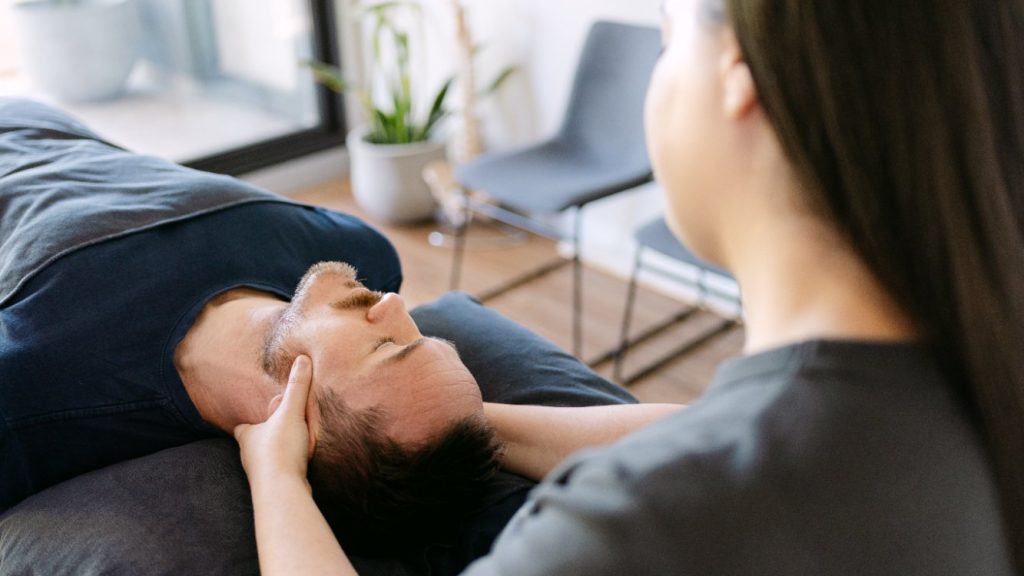
- joint mobilisation of the neck and upper spine
- soft tissue techniques
- muscle energy technique (MET)
- postural and movement retraining
- exercise rehabilitation
- clinical Pilates
- TMJ management where relevant
Technique selection depends on individual presentation and clinical reasoning.
Evidence and research
Clinical guidelines support conservative, non-pharmacological approaches for certain headache types, particularly tension-type and cervicogenic headaches.
Evidence supports:
- manual therapy combined with exercise
- physical therapy for neck-related headaches
- multimodal management including education and movement
Key guideline and research sources
International Headache Society — Classification of Headache Disorders
Recognises cervicogenic headache as a secondary headache originating from cervical structures.
Jull et al., Randomised Controlled Trials — Cervicogenic Headache
Demonstrated benefit from targeted physical therapy including manual therapy and exercise.
Gross et al., Cochrane Reviews — Manual Therapy for Headache
Suggest manual therapy may improve pain and function in cervicogenic headache when combined with exercise.
European Federation of Neurological Societies Guidelines
Support physical therapy approaches for cervicogenic headache management.
Clinical interpretation
Multimodal care that includes movement, education, and musculoskeletal management is widely recommended for headaches with mechanical contributors.
What to expect from management
Management plans depend on:
- headache type
- symptom duration
- contributing factors
- individual goals
Some people experience gradual improvement as movement and contributing factors are addressed.
Active participation — including movement strategies and rehabilitation — is often an important part of management.
Self-management and lifestyle support
Education and behaviour strategies are often part of headache management.
Your osteopath may guide:
- posture and workstation setup
- movement breaks
- neck mobility exercises
- stress and muscle tension awareness
- load management
When to seek medical review
Urgent medical assessment is required if headaches involve:
- sudden severe onset (“worst headache ever”)
- neurological symptoms
- visual loss
- confusion or altered consciousness
- fever or systemic illness
- headache following trauma
If unsure, seek medical advice.
Frequently asked questions
Can neck problems cause headaches?
Yes. Some headaches originate from cervical spine dysfunction.
Can osteopathy help migraines?
Osteopathy does not treat migraine itself but may help manage musculoskeletal factors that contribute to symptoms in some people.
Do I need imaging for headaches?
Imaging is not routinely required unless clinical indicators suggest further investigation.
Is shockwave therapy covered by Medicare or private health?
Stress can influence muscle tension, which may contribute to some headache types.
Related conditions
- Neck pain
- TMJ dysfunction
- Postural strain
- Upper back pain
Not sure what type of headache you have?
If you are unsure what is causing your headaches, an osteopathic assessment can help identify contributing factors and guide appropriate management.
Book an appointment to discuss your symptoms.