
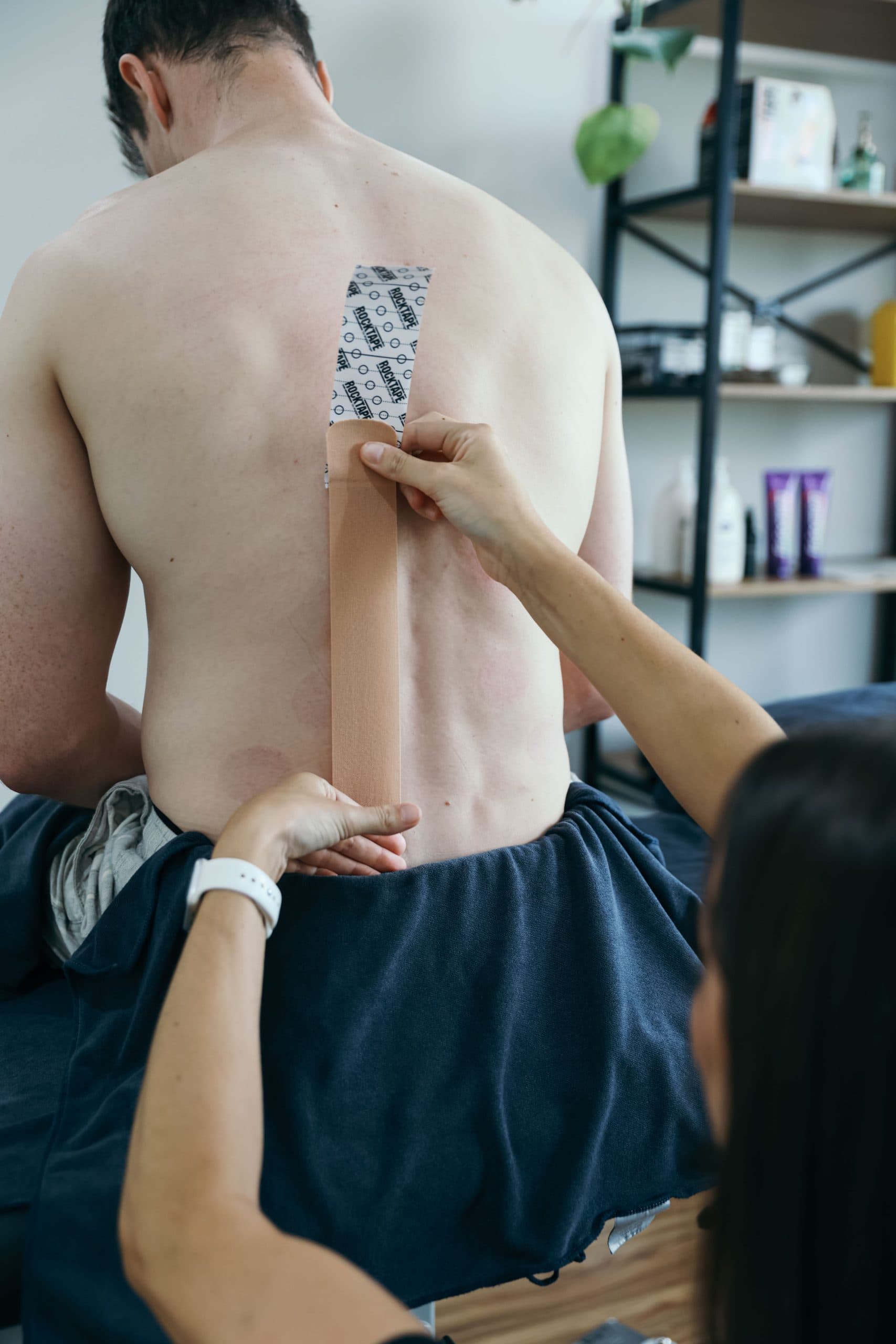
Facet Joint Pain
Osteopathic Management for Facet Joint–Related Spinal Pain — Melbourne & Caroline Springs
Facet joint pain is a common cause of localised neck or back pain, particularly with movement such as bending, twisting, or extending the spine.
At Live Well Health Centre, osteopaths help assess and manage facet joint–related pain by evaluating spinal movement, joint function, and how surrounding muscles support the spine.
Our approach focuses on improving joint mobility, reducing protective muscle tension, and supporting comfortable movement in daily life.
What is facet joint pain?
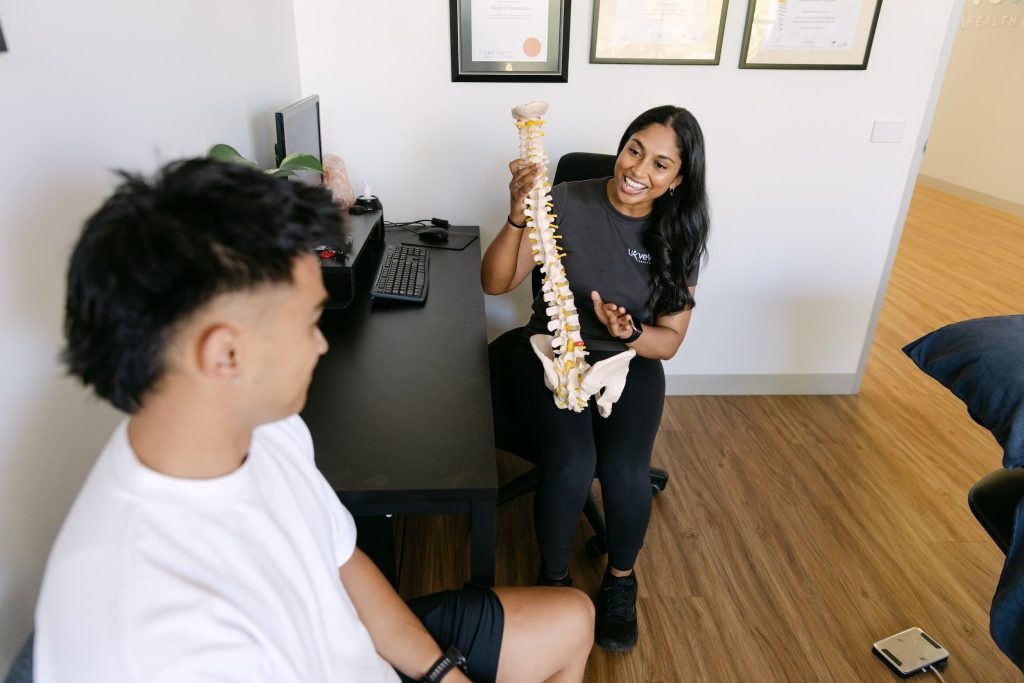
Facet joints are small joints located at the back of the spine. They connect each vertebra and help guide and control spinal movement.
Facet joint pain occurs when one or more of these joints become irritated, inflamed, or mechanically restricted.
This may be due to:
- joint irritation
- movement restriction
- degenerative change
- mechanical overload
Facet joint pain is typically mechanical, meaning symptoms often change with movement or posture.
It can occur in:
- the neck (cervical spine)
- mid back (thoracic spine)
- lower back (lumbar spine)
Common symptoms
Facet joint pain commonly causes:
- localised neck or back pain
- stiffness, especially after rest
- pain with twisting or arching backwards
- reduced range of spinal movement
- tenderness near the spine
- pain that improves with gentle movement
Lumbar facet pain may refer into the buttock or upper thigh.
Cervical facet pain may contribute to neck stiffness or certain types of headache.
What causes facet joint pain?
Facet joints are exposed to regular mechanical load and movement.
Pain may develop when the joint is overloaded, irritated, or restricted.
Common contributing factors include:
- repetitive spinal movement
- prolonged sitting or posture
- sudden twisting or lifting
- reduced spinal mobility
- muscle imbalance or fatigue
- age-related joint changes
Facet joints often become sensitive when spinal movement patterns change.
Who is most likely to experience facet joint pain?
Facet joint pain can occur at any age but is commonly seen in:
- people with sedentary work individuals performing
- repetitive spinal movement adults with age-related spinal changes
- people recovering from spinal strain or injury
- those with reduced spinal mobility
How is facet joint pain assessed?
Osteopathic assessment typically includes:
- detailed symptom history
- spinal movement testing
- joint palpation
- posture assessment
- functional movement evaluation
- neurological screening (if needed)
Assessment focuses on identifying mechanical contributors and ruling out other spinal causes.
Imaging is not always required but may be recommended if clinically indicated.
Referral to a GP or specialist may be advised where appropriate.
How osteopathy may help manage facet joint pain
Osteopaths help manage facet joint–related pain by improving joint mobility, reducing muscle guarding, and supporting functional movement.
Management may involve:
- restoring spinal movement
- reducing protective muscle tension
- improving posture and movement control
- guiding gradual return to activity
- supporting spinal load tolerance
Care is individualised and adapted to symptom presentation.
Techniques that may be used
Based on assessment findings, management may include:
- spinal joint mobilisation
- soft tissue techniques
- muscle energy technique (MET)
- movement retraining
- postural support strategies
- exercise prescription
- clinical Pilates
High-velocity manipulation may be used where clinically appropriate and safe.
Evidence & research
Clinical guidelines support conservative management as first-line care for mechanical spinal pain, including facet joint–related pain.
Evidence supports:
- manual therapy
- exercise-based rehabilitation
- education and activity modification
- multimodal conservative care
Facet joints are a recognised contributor to mechanical spinal pain.
Key evidence sources
BMJ Clinical Review — Low Back Pain
https://www.bmj.com/content/356/bmj.j674
Australian Clinical Care Standard — Low Back Pain
https://www.safetyandquality.gov.au/standards/clinical-care-standards/low-back-pain-clinical-care-standard
Clinical interpretation
Conservative care focused on movement restoration, exercise, and education is widely recommended for mechanical spinal pain, including facet joint involvement.
What to expect from management
Recovery depends on:
- duration of symptoms
- spinal mobility
- activity demands
- adherence to rehabilitation
Many people experience improvement as spinal movement and muscle function normalise.
Self-management and lifestyle support
Your osteopath may guide:
- posture and movement strategies
- spinal mobility exercises
- strengthening programs
- activity pacing
- load management
Consistency with exercise and movement is important.
When to seek medical review
Medical assessment is recommended if symptoms include:
- significant trauma
- neurological symptoms (weakness, numbness)
- persistent severe pain
- unexplained systemic symptoms
If unsure, seek professional advice.
Frequently asked questions
Is facet joint pain arthritis?
Facet joints can develop degenerative changes, but pain may also occur without arthritis.
Is it serious?
Facet joint pain is usually mechanical and manageable with conservative care.
Do I need imaging?
Imaging is not always required and depends on clinical findings.
Will I need injections or surgery?
Most cases are managed conservatively. Medical procedures are considered by specialists if indicated.
Related conditions
- Disc irritation
- Low back pain
- Neck pain
- Spinal stiffness
Not sure if your pain is facet joint–related?
If you have localised neck or back pain that changes with movement, an osteopathic assessment can help identify contributing factors and guide appropriate management.
Book an appointment to discuss your symptoms.