
Knee Pain
Osteopathic Management for Knee Pain — Melbourne & Caroline Springs
Knee pain is a common musculoskeletal complaint that can affect walking, climbing stairs, exercise, and everyday movement.
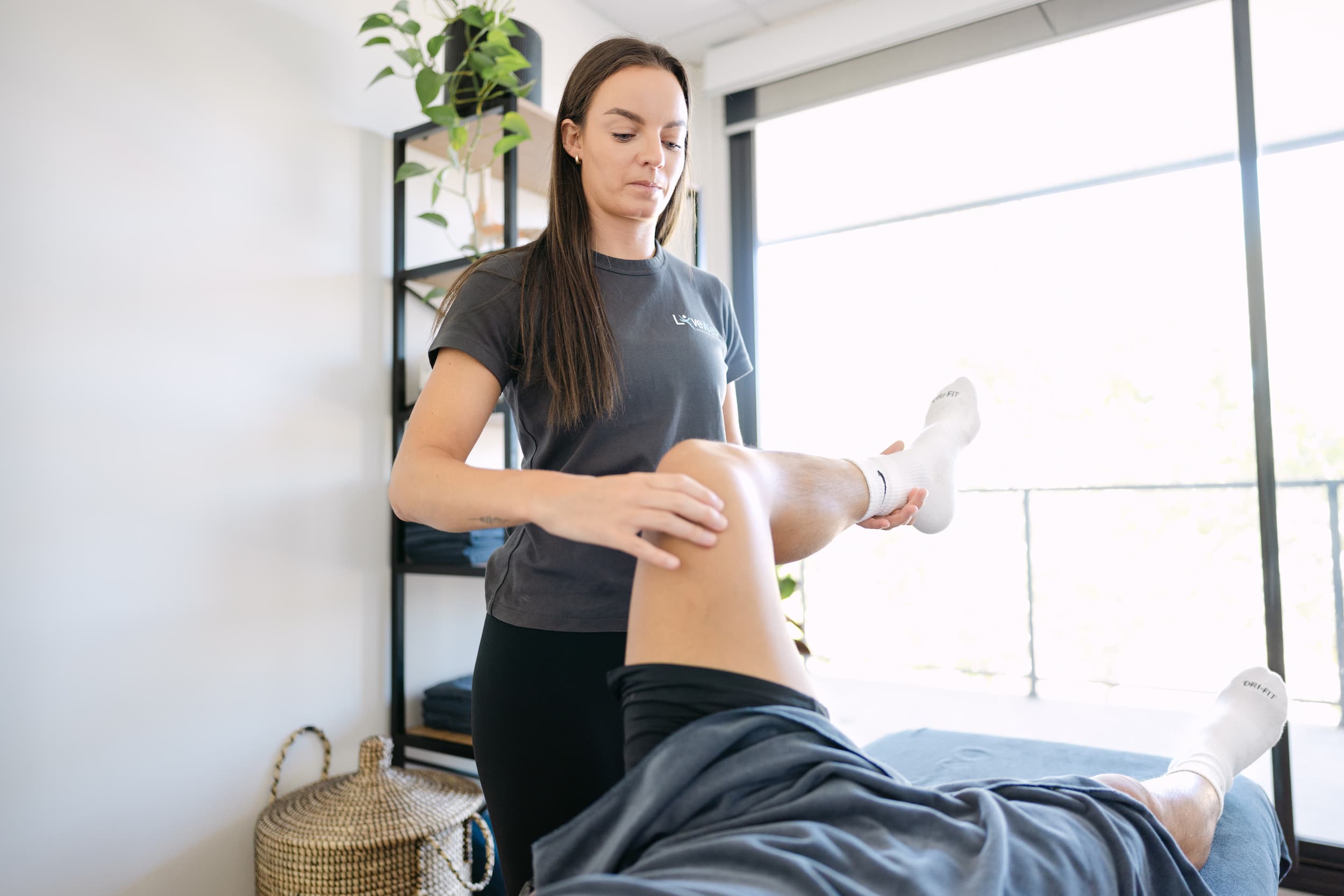
At Live Well Health Centre, osteopaths help assess and manage knee pain by evaluating how the knee functions in relation to the hip, ankle, muscles, and movement patterns.
Our approach focuses on improving movement, supporting load tolerance, and helping manage factors that may contribute to ongoing symptoms.
What is knee pain?
Knee pain refers to discomfort, stiffness, or reduced function around the knee joint or surrounding tissues.
The knee is a weight-bearing joint that relies on coordinated movement from the hip and ankle. Because of this, knee pain may be influenced by factors above or below the joint.
Pain may arise from:
- joint structures
- ligaments
- tendons
- muscles
- cartilage
- surrounding connective tissue
Symptoms may develop gradually or occur following injury.
Common symptoms
Knee pain may involve:
- pain when walking, running, or climbing stairs
- stiffness or reduced movement
- swelling or tenderness
- discomfort when bending or straightening the knee
- clicking or catching sensations
- pain after activity or prolonged sitting
Some people may also experience instability or reduced confidence with movement.
What causes knee pain?
Knee pain is often influenced by mechanical load and movement patterns.
Common contributors include:
- muscle weakness or imbalance
- altered movement mechanics
- sudden increase in activity or training load
- repetitive stress
- tendon overload
- previous injury
- reduced mobility in the hip or ankle
Common clinical presentations associated with knee pain include:
- patellofemoral pain (pain around the kneecap)
- tendon-related knee pain
- ligament strain
- cartilage irritation
- movement-related knee pain
Who is most likely to experience knee pain?
Knee pain can occur at any age.
It is commonly seen in:
- runners and active individuals
- people who perform repetitive lower limb movements
- individuals returning to sport after injury
- people with reduced lower limb strength
- middle-aged and older adults
- individuals with previous knee injury
How is knee pain assessed?
Osteopathic assessment typically includes:
- detailed history of symptoms and activity
- knee movement testing
- muscle and joint examination
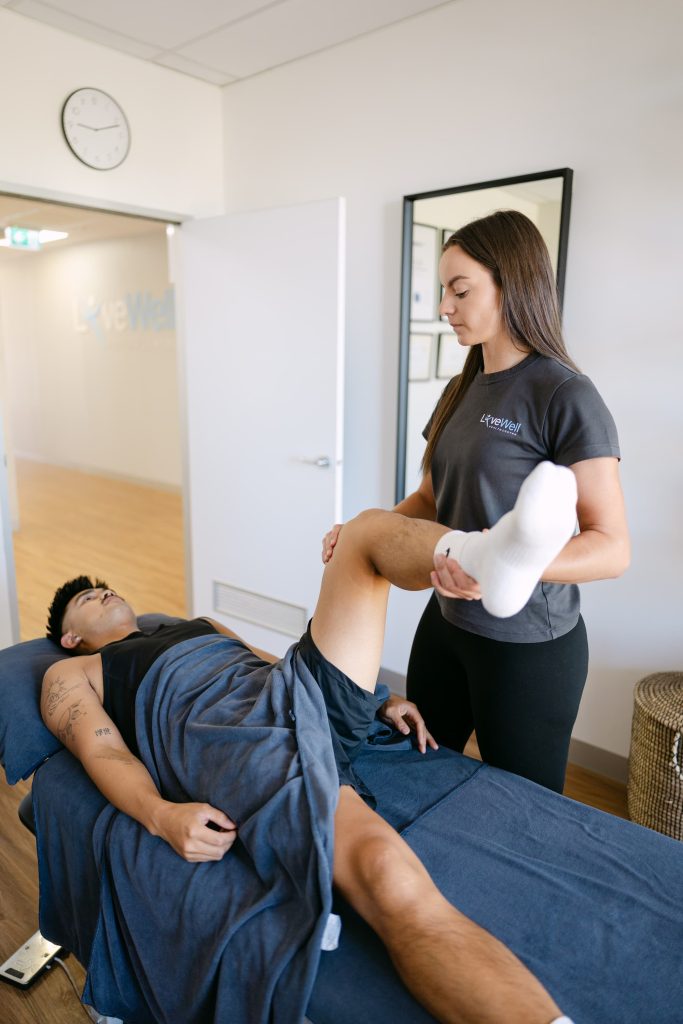
- hip and ankle assessment
- functional movement evaluation
Because knee function depends on the entire lower limb, assessment considers how forces move through the body during activity.
Imaging may be recommended if clinically indicated.
Referral to a GP or specialist may be advised where appropriate.
How osteopathy may help manage knee pain
Osteopaths help manage knee pain by addressing factors that influence load distribution, joint movement, and muscle function.
Management may involve:
- improving joint mobility
- supporting muscle strength and control
- addressing movement patterns
- guiding activity modification
- providing rehabilitation programs
Care is individualised and often considers how the hip, ankle, and lower limb function together.
Techniques that may be used
Based on assessment findings, management may include:
- joint mobilisation or articulation
- soft tissue techniques
- muscle energy technique (MET)
- movement retraining
- strengthening and rehabilitation exercises
- clinical Pilates
- load management strategies
Technique selection depends on clinical reasoning and individual presentation.
Evidence and research
Clinical guidelines support conservative management as the first-line approach for many knee conditions.
Evidence supports:
- exercise-based rehabilitation
- progressive strengthening programs
- movement retraining
- manual therapy as part of multimodal care
- education and activity modification
These approaches are widely recommended in musculoskeletal practice.
Key guideline and research sources
Clinical Practice Guidelines for Knee Pain and Patellofemoral Pain
Support exercise therapy as a central component of management.
Systematic reviews of knee rehabilitation research
Support strengthening and movement-based care for many knee conditions.
Best practice musculoskeletal management frameworks
Recommend multimodal conservative management.
Clinical interpretation
Management that focuses on movement quality, muscle strength, and load tolerance is widely supported for knee-related musculoskeletal pain.
What to expect from management
Recovery experiences vary depending on:
- underlying condition
- symptom duration
- activity demands
- tissue load tolerance
Some knee problems improve gradually with rehabilitation and movement retraining.
Active participation in strengthening and mobility exercises is often an important part of management.
Self-management and lifestyle support
Education and movement are key components of knee pain management.
Your osteopath may guide:
- activity modification
- strengthening programs
- mobility exercises
- load management
- gradual return to activity
Consistency with rehabilitation is important.
When to seek medical review
Medical assessment is recommended if knee pain involves:
- significant trauma
- inability to bear weight
- locking of the joint
- progressive swelling
- instability or giving way
- severe or persistent pain
If unsure, seek professional advice.
Frequently asked questions
Is knee pain always due to cartilage damage?
No. Many cases involve muscle, tendon, or movement-related factors.
Should I stop exercising if my knee hurts?
Activity modification is often recommended rather than complete rest.
Can hip weakness affect the knee?
Yes. Hip strength and control influence knee movement and load.
Do I need imaging?
Imaging is not always required and depends on clinical findings.
Related conditions
- Hip pain
- Ankle pain
- Running injuries
- Tendinopathy
Not sure what is causing your knee pain?
If you are unsure what is causing your symptoms, an osteopathic assessment can help identify contributing factors and guide appropriate management.
Book an appointment to discuss your symptoms.