
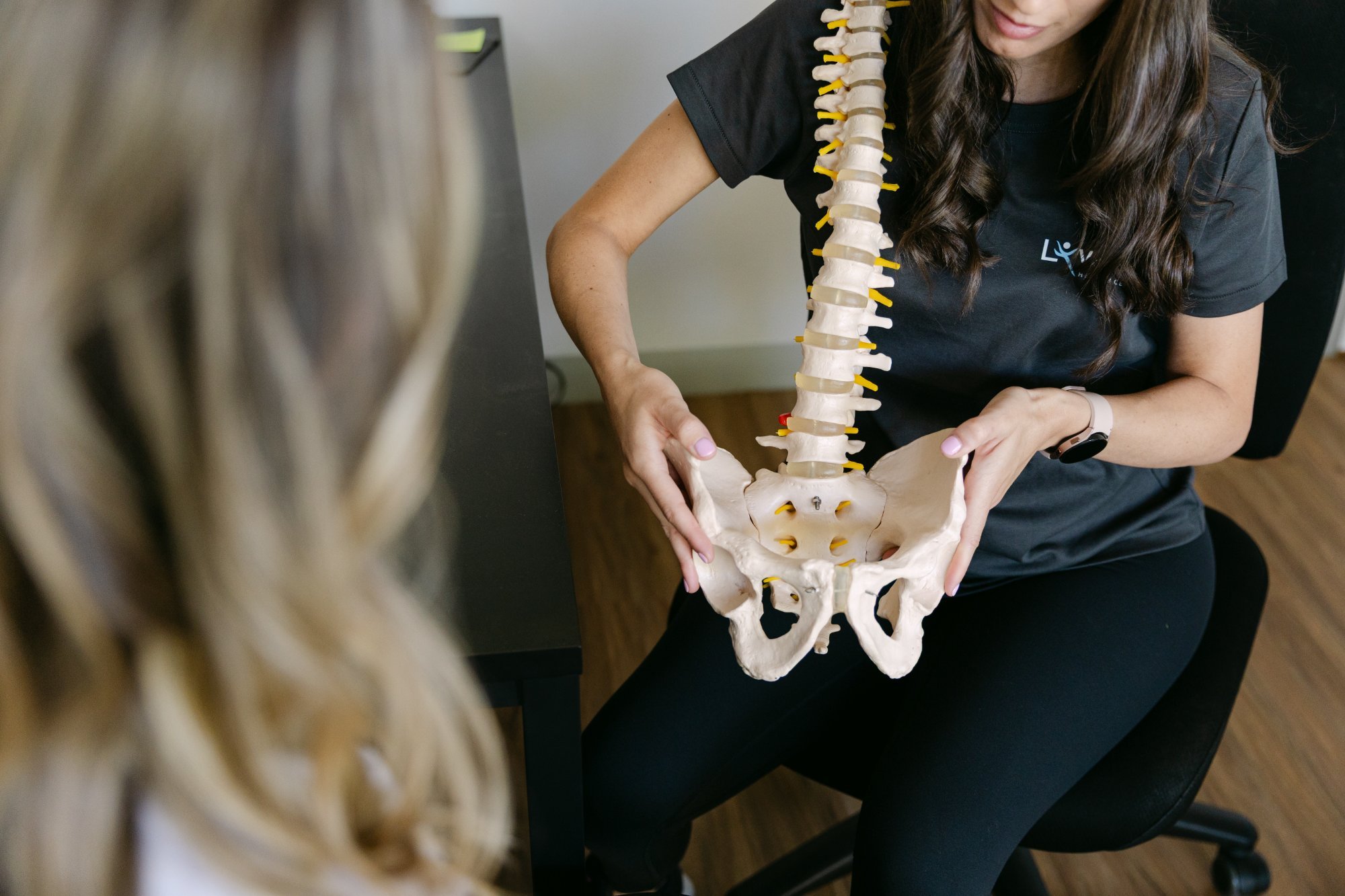
Pregnancy-Related Pelvic Pain
Osteopathic Management for Pelvic Girdle Pain in Pregnancy — Melbourne & Caroline Springs
Pregnancy-related pelvic pain (often called pelvic girdle pain or PGP) is common and can affect comfort, sleep, walking, and daily movement.
At Live Well Health Centre, osteopaths help assess and manage pregnancy-related pelvic pain by supporting joint stability, muscle function, and safe movement patterns during pregnancy.
Our approach is gentle, evidence-informed, and tailored specifically for each stage of pregnancy.
What is pregnancy-related pelvic pain?
Pregnancy-related pelvic pain refers to discomfort around:
- the sacroiliac joints (SIJ)
- the pubic symphysis (front of the pelvis)
- the lower back
- the hips
It is sometimes called:
- Pelvic Girdle Pain (PGP)
- Symphysis Pubis Dysfunction (SPD)
It occurs due to a combination of:
- hormonal changes
- ligament softening
- increased joint mobility
- altered posture
- load changes
- muscle control adaptations
Pelvic pain in pregnancy is common and does not mean damage has occurred.
Common symptoms
Pregnancy-related pelvic pain may involve:
- pain in the front of the pelvis (pubic bone)
- pain at the back of the pelvis or buttocks
- discomfort turning in bed
- pain walking or climbing stairs
- clicking or grinding sensations
- difficulty standing on one leg
- pain with prolonged standing
Symptoms often worsen as pregnancy progresses.
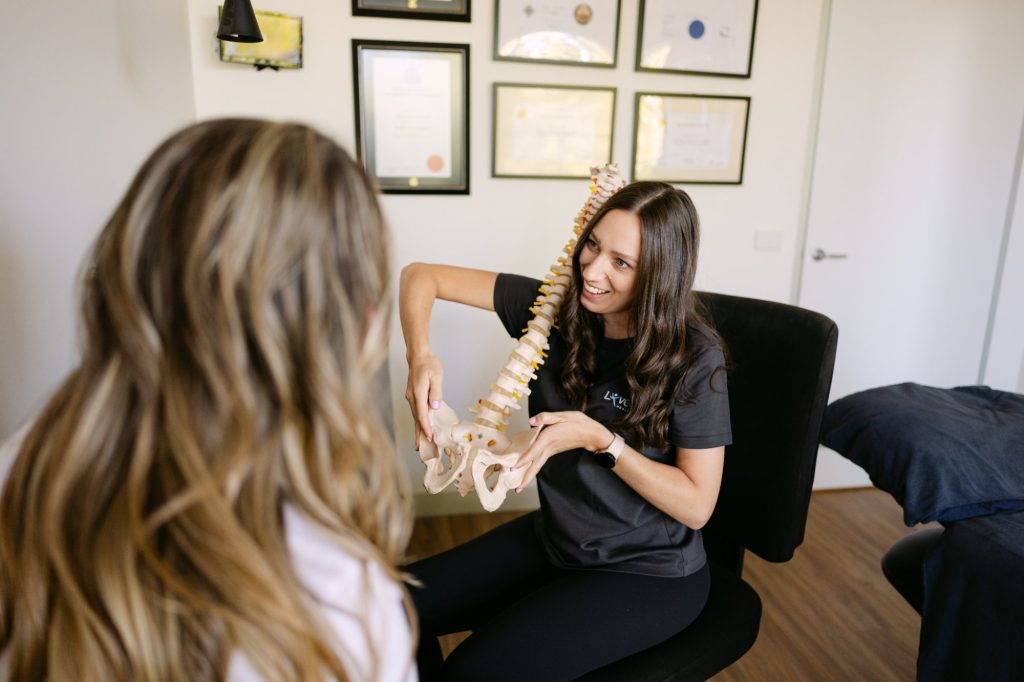
What causes pelvic pain during pregnancy?
Pregnancy creates significant changes in the body:
- Hormones (such as relaxin) increase ligament laxity
- The growing uterus shifts centre of gravity
- Abdominal wall stretches
- Load through the pelvis increases
- Muscle coordination patterns adapt
Pain usually develops when the pelvis becomes less efficient at transferring load during movement.
Importantly, pain is often related to movement control and load tolerance, not instability or damage.
Who is most likely to experience pregnancy pelvic pain?
Pelvic girdle pain is more common in:
- second and third trimesters
- people with previous back or pelvic pain
- previous pelvic injury
- multiple pregnancies
- physically demanding occupations
It can occur in first pregnancies as well.
How is pregnancy pelvic pain assessed?
Osteopathic assessment during pregnancy includes:
- detailed symptom history
- gentle movement testing
- pelvic stability assessment
- posture evaluation
- functional movement analysis
- muscle control assessment
Assessment is adapted for each trimester and prioritises safety and comfort.
Referral to your GP, midwife, or obstetrician may be advised if clinically indicated.
How osteopathy may help manage pregnancy pelvic pain
Osteopaths help manage pregnancy-related pelvic pain by:
- supporting joint mobility
- improving muscle coordination
- reducing excessive muscle tension
- optimising load transfer through the pelvis
- guiding safe movement strategies
Treatment is gentle and pregnancy-appropriate.
Management often focuses on improving how the pelvis functions during walking, turning, and lifting.
Techniques that may be used
Based on assessment findings, care may include:
- gentle joint mobilisation
- soft tissue techniques
- muscle energy technique (MET)
- pelvic stabilisation exercises
- clinical Pilates (pregnancy-modified)
- movement retraining
- posture guidance
- education around daily activity modification
High-force techniques are not used where inappropriate.
Evidence & research
Pelvic girdle pain in pregnancy is widely recognised in clinical guidelines.
Evidence supports:
- supervised exercise therapy
- stabilisation programs
- manual therapy combined with exercise
- education and activity modification
Conservative management is recommended as first-line care.
Key evidence sources
Royal College of Obstetricians and Gynaecologists (RCOG)
Pelvic Girdle Pain and Pregnancy
National Institute for Health and Care Excellence (NICE) — Antenatal Care
European Guidelines for the Diagnosis and Treatment of Pelvic Girdle Pain
Vleeming et al., European Spine Journal
British Journal of Sports Medicine — Pregnancy-Related Pelvic Pain
Clinical interpretation
Exercise therapy combined with manual support and education is commonly recommended for pregnancy-related pelvic pain.
What to expect from management
Improvement depends on:
- stage of pregnancy
- severity of symptoms
- load demands
- adherence to movement strategies
Many people experience meaningful reduction in discomfort when pelvic loading strategies are optimised.
Self-management and lifestyle support
Your osteopath may guide:
- sleep positioning strategies
- stair modification techniques
- sitting and standing posture
- safe lifting methods
- pelvic stabilisation exercises
- gentle strengthening
Small adjustments often make a significant difference.
When to seek medical review
Seek medical review if symptoms include:
- severe or sudden pelvic pain
- neurological symptoms
- vaginal bleeding
- fever
- trauma
- concerns about pregnancy wellbeing
Always consult your maternity care provider if unsure.
Frequently asked questions
Is pelvic pain normal in pregnancy?
Pelvic discomfort is common, but persistent pain affecting function should be assessed.
Will this affect labour?
Pelvic girdle pain does not automatically mean complications with labour.
Is treatment safe during pregnancy?
Osteopaths adapt treatment techniques for pregnancy and prioritise safety.
Do I need imaging?
Imaging is rarely required unless other concerns are present.
Related conditions
- Lower back pain
- Hip pain
- Postnatal recovery
- Core rehabilitation
Not sure if your pelvic pain is pregnancy-related?
If you are experiencing pelvic discomfort during pregnancy, we can help assess your symptoms and guide safe, evidence-informed management.
Book an appointment to discuss your pregnancy-related pelvic pain.
General information only. This page doesn’t replace personalised medical advice. Always discuss pregnancy concerns with your GP/midwife/obstetric team.