
Tendinopathy
Osteopathic Management for Tendon Pain — Melbourne & Caroline Springs
Tendinopathy refers to pain and dysfunction involving a tendon — the strong connective tissue that attaches muscle to bone.
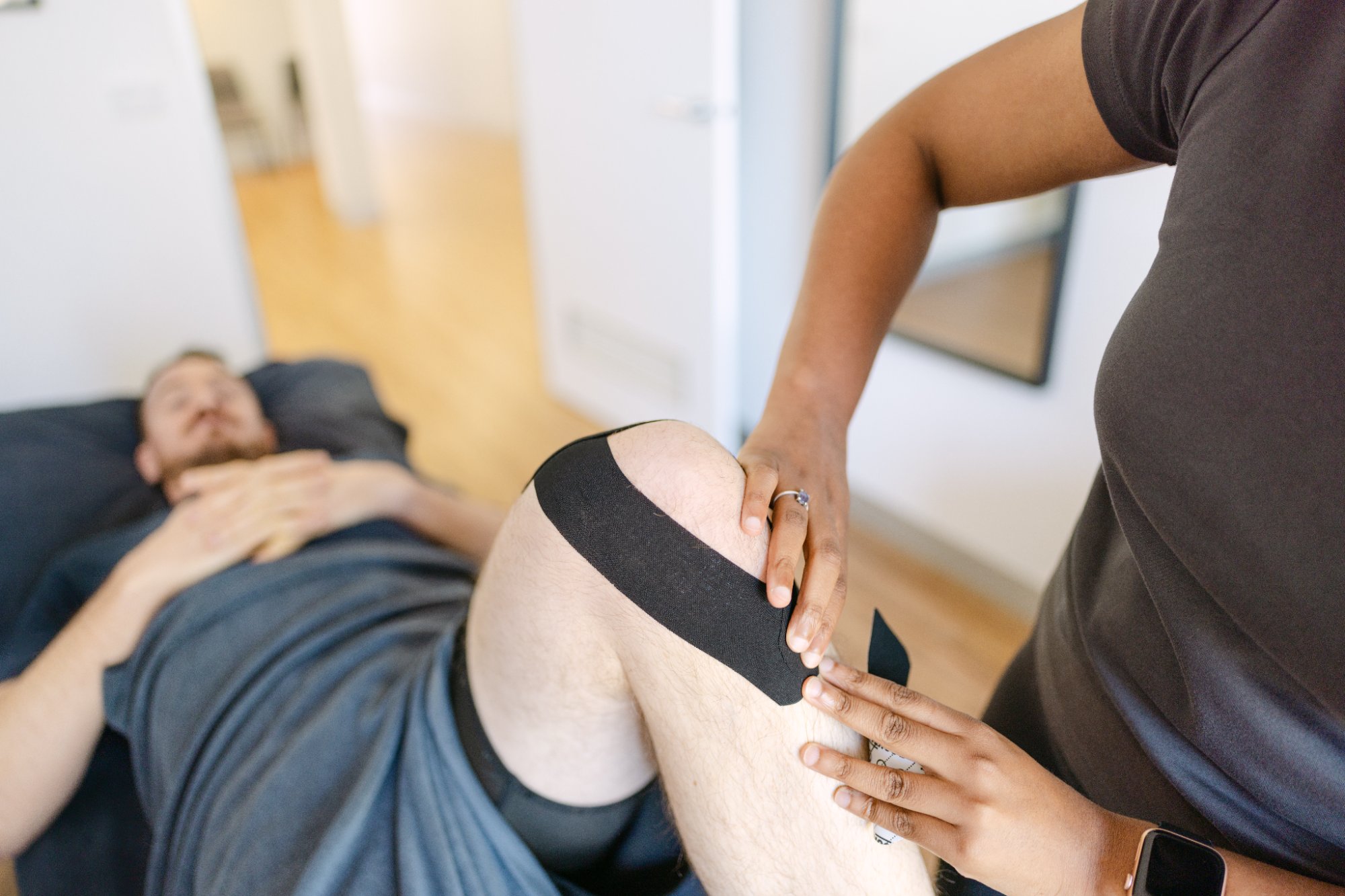
At Live Well Health Centre, osteopaths help assess and manage tendinopathy by identifying factors that influence how tendons are loaded, how they function during movement, and how they respond to activity.
Management focuses on improving load tolerance, supporting tissue adaptation, and helping you return to comfortable and sustainable activity.
What is tendinopathy?
Tendinopathy describes pain and reduced function in a tendon, usually related to overload or reduced capacity to handle mechanical stress.
Tendons play a critical role in movement by transmitting force from muscles to bones. When loading exceeds what the tendon can tolerate — either suddenly or repeatedly — symptoms may develop.
The term tendinopathy is commonly used because tendon problems often involve structural and functional changes rather than inflammation alone.
Tendon pain may develop gradually or following changes in activity, training, or workload.
Common symptoms
Tendinopathy often presents with:
- localised pain near a tendon
- pain with movement or activity
- stiffness after rest or in the morning
- tenderness when pressing the affected area
- reduced strength or function
- discomfort that worsens with repeated loading
Symptoms often improve with rest but return when activity resumes.
Common types of tendinopathy
Tendinopathy can occur in many parts of the body.
Common locations include:
- Achilles tendon (back of ankle)
- rotator cuff tendons (shoulder)
- patellar tendon (front of knee)
- lateral elbow (tennis elbow)
- medial elbow (golfer’s elbow)
- gluteal tendons (outer hip)
Each tendon has different loading demands, but management principles are similar.
What causes tendinopathy?
Tendinopathy is typically related to how load is applied to a tendon over time.
Common contributing factors include:
- sudden increase in activity or training
- repetitive movement
- muscle weakness or imbalance
- reduced movement control
- insufficient recovery between loads
- changes in footwear or equipment
- reduced tissue capacity
Tendinopathy often develops when tendon load exceeds the tendon’s ability to adapt.
Who is most likely to experience tendinopathy?
Tendinopathy can affect people of all activity levels.
It is commonly seen in:
- runners and athletes
- people returning to exercise after a break
- individuals with repetitive occupational tasks
- people with sudden increases in activity
- individuals with reduced muscle strength or conditioning
How is tendinopathy assessed?
Osteopathic assessment typically includes:
- detailed history of activity and symptom pattern
- tendon loading assessment
- strength and movement testing
- joint and muscle examination
- functional movement evaluation
Assessment focuses on identifying how load is being applied to the tendon and how the surrounding structures contribute.
Imaging is not always required but may be recommended if clinically indicated.
Referral to a GP or specialist may be advised where appropriate.
How osteopathy may help manage tendinopathy
Osteopaths help manage tendinopathy by addressing factors that influence tendon load, movement, and function.
Management commonly involves:
- improving movement mechanics
- reducing excessive tendon load
- gradually increasing tendon capacity
- guiding progressive strengthening
- supporting return to activity
Care is individualised and often includes education about how tendons respond to loading.
Rehabilitation is typically a central component of management.
Techniques that may be used
Based on assessment findings, management may include:
- progressive loading and strengthening programs
- movement retraining
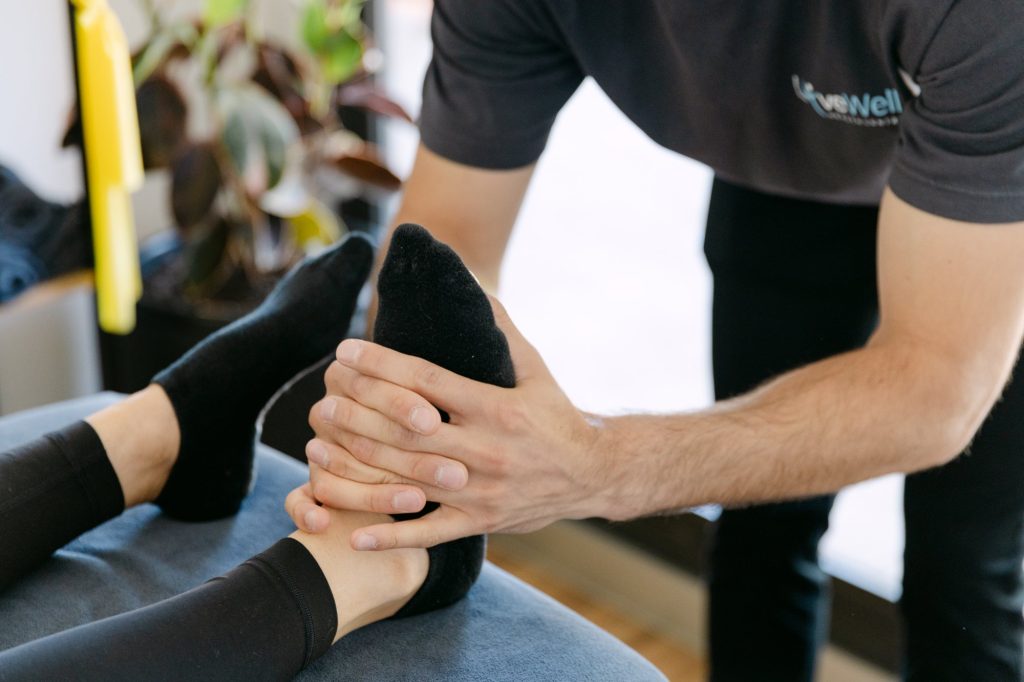
- soft tissue techniques
- joint mobilisation
- muscle energy technique (MET)
- clinical Pilates
- shockwave therapy (in selected persistent cases)
- load management education
Technique selection depends on individual presentation and clinical reasoning.
Evidence and research
Modern tendinopathy management focuses on progressive loading and rehabilitation rather than passive treatment alone.
Research consistently supports:
- exercise-based tendon loading programs
- gradual return to activity
- education and load management
- multimodal care when appropriate
Passive rest alone is generally not recommended for long-term management.
Key guideline and research sources
Cook & Purdam — Tendon Continuum Model
Widely recognised framework describing how tendons respond to load and overload.
Systematic reviews of exercise therapy for tendinopathy
Support progressive loading as a central management strategy.
Clinical guidelines for tendinopathy management
Recommend exercise-based rehabilitation as first-line care.
Clinical interpretation
Management that focuses on load tolerance, progressive strengthening, and movement quality is widely supported for tendon-related pain.
What to expect from management
Tendon adaptation occurs gradually.
Recovery depends on:
- duration of symptoms
- tendon involved
- activity demands
- adherence to rehabilitation
Many people experience progressive improvement when loading is managed appropriately and strength is restored.
Consistency with rehabilitation is often essential.
Self-management and lifestyle support
Education is a key part of tendon care.
Your osteopath may guide:
- activity modification
- progressive strengthening programs
- training load adjustment
- recovery planning
- movement technique
Gradual progression is usually recommended.
When to seek medical review
Medical assessment is recommended if tendon pain involves:
- sudden rupture or tearing sensation
- significant swelling after injury
- persistent symptoms despite rehabilitation
- unexplained systemic symptoms
If unsure, seek professional advice.
Frequently asked questions
Should I rest completely if I have tendon pain?
Complete rest is usually not recommended. Controlled loading is often part of management.
Why does tendon pain keep returning?
Symptoms may return if load exceeds tendon capacity or rehabilitation is incomplete.
How long does tendinopathy take to improve?
Recovery time varies and often depends on consistent progressive loading.
Do I need imaging?
Imaging is not always required and depends on clinical findings.
Specific tendon conditions we manage
Related conditions
- Shoulder pain
- Knee pain
- Hip pain
- Plantar heel pain
- Sports injuries
Not sure if your pain is tendon-related?
If you are unsure what is causing your symptoms, an osteopathic assessment can help identify contributing factors and guide appropriate management.
Book an appointment to discuss your symptoms.